+86-574-6268 9988
tech#leebike.com
Europe is home to a wide range of established bicycle companies and electric bike specialists. Some focus on premium urban and cargo e-bikes, while others are better known for electric mountain bikes, touring models, or compact folding designs.
For businesses researching European electric bike manufacturers, however, choosing a supplier involves more than looking at brand recognition. Product categories, development capabilities, manufacturing arrangements, testing, customization, and after-sales support can all affect whether a company is suitable for a particular market.
The following list highlights 10 established e-bike manufacturers and bicycle brands based on their product focus, development and manufacturing or assembly capabilities, and position within the European cycling industry. It is an editorial selection rather than a ranking based on sales or market share.
The table below provides a quick comparison before looking at each company in more detail.
| Rank | Company | Country | Main E-Bike Focus | Key Strength |
|---|---|---|---|---|
| 1 | Riese & Müller | Germany | Premium, cargo, urban | Premium mobility solutions |
| 2 | Gazelle | Netherlands | City, commuter, touring | Dutch bicycle manufacturing |
| 3 | Kalkhoff | Germany | City, trekking, allroad | German e-bike production |
| 4 | CUBE Bikes | Germany | MTB, trekking, urban, transport | Broad product portfolio |
| 5 | HAIBIKE | Germany | eMTB, performance | ePerformance specialization |
| 6 | Moustache Bikes | France | Urban, touring, MTB, road | Dedicated e-bike expertise |
| 7 | FOCUS Bikes | Germany | eMTB, road, gravel, urban | Performance development |
| 8 | Orbea | Spain | MTB, road, urban, e-bike | Integrated development and manufacturing |
| 9 | Brompton | United Kingdom | Folding, electric folding | Compact urban mobility |
| 10 | Bianchi | Italy | MTB, urban, touring | Italian cycling heritage |
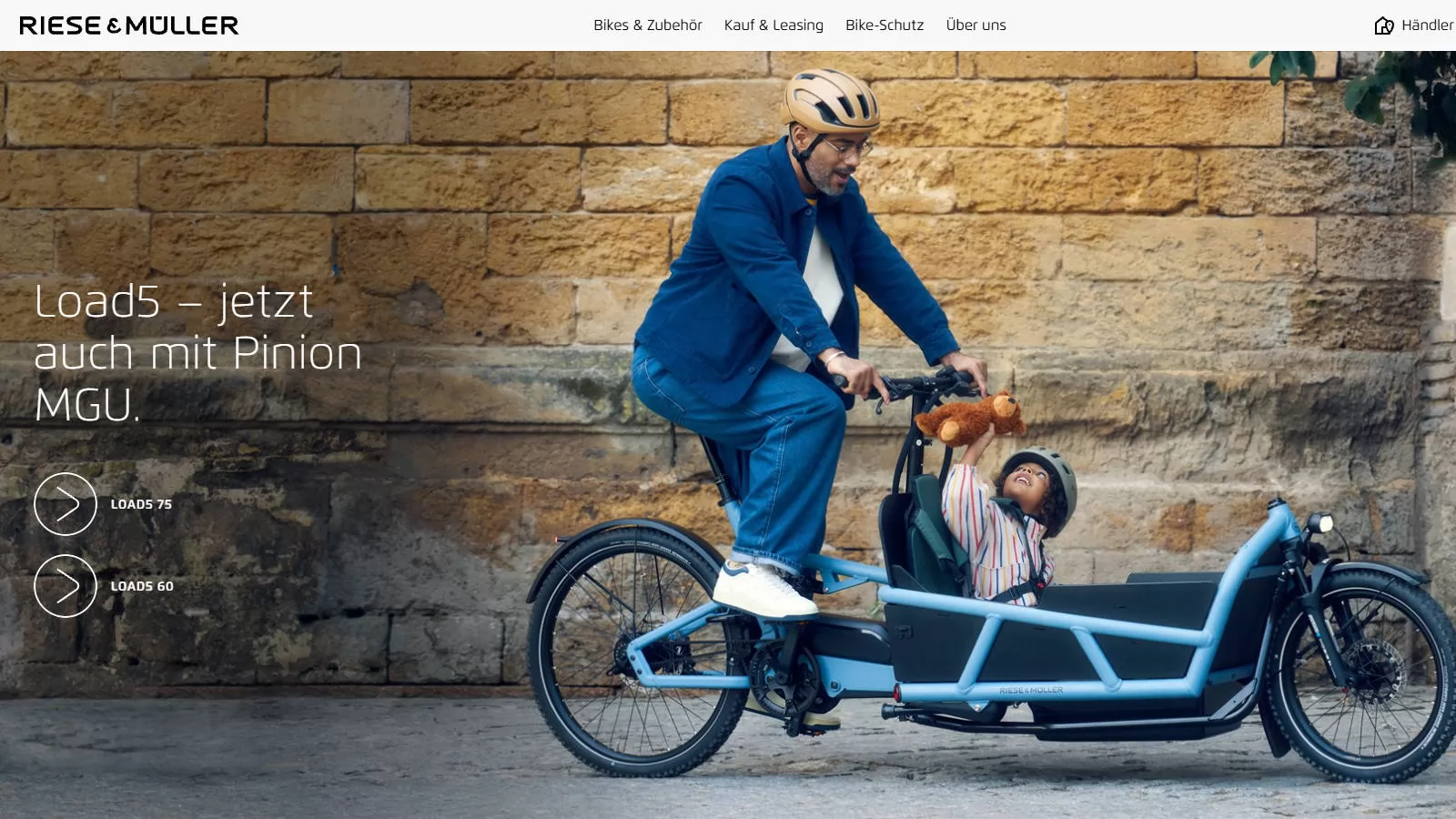
Company Profile: Riese & Müller is a German company focused on premium e-bikes and cargo bikes. Its official materials describe a development and assembly process in Germany, with products designed around everyday mobility, touring, cargo transportation, and connected e-bike technology. The company also has dedicated business solutions for commercial and organizational mobility applications, making it particularly relevant to buyers looking beyond consumer retail.
Headquarters: Mühltal, Germany.
Key Strengths:
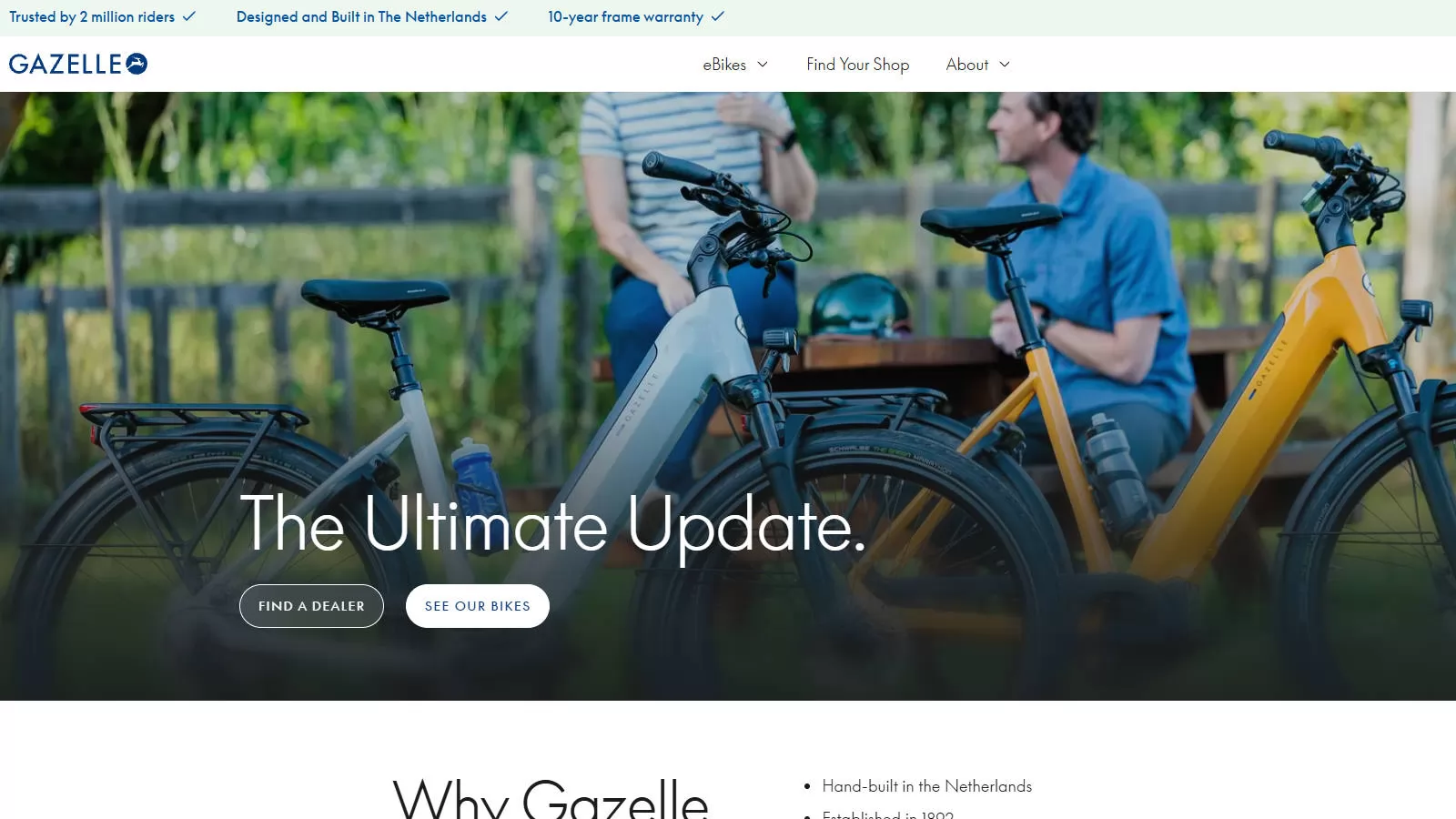
Company Profile: Royal Dutch Gazelle is a Dutch bicycle manufacturer with a strong focus on comfortable everyday cycling. The company operates a production facility in Dieren, where bicycles are assembled, painted, and tested. Its current portfolio includes a broad selection of city, commuter, trekking, and other electric bicycles, giving Gazelle a strong position in practical European urban mobility.
Headquarters: Dieren, Netherlands.
Key Strengths:
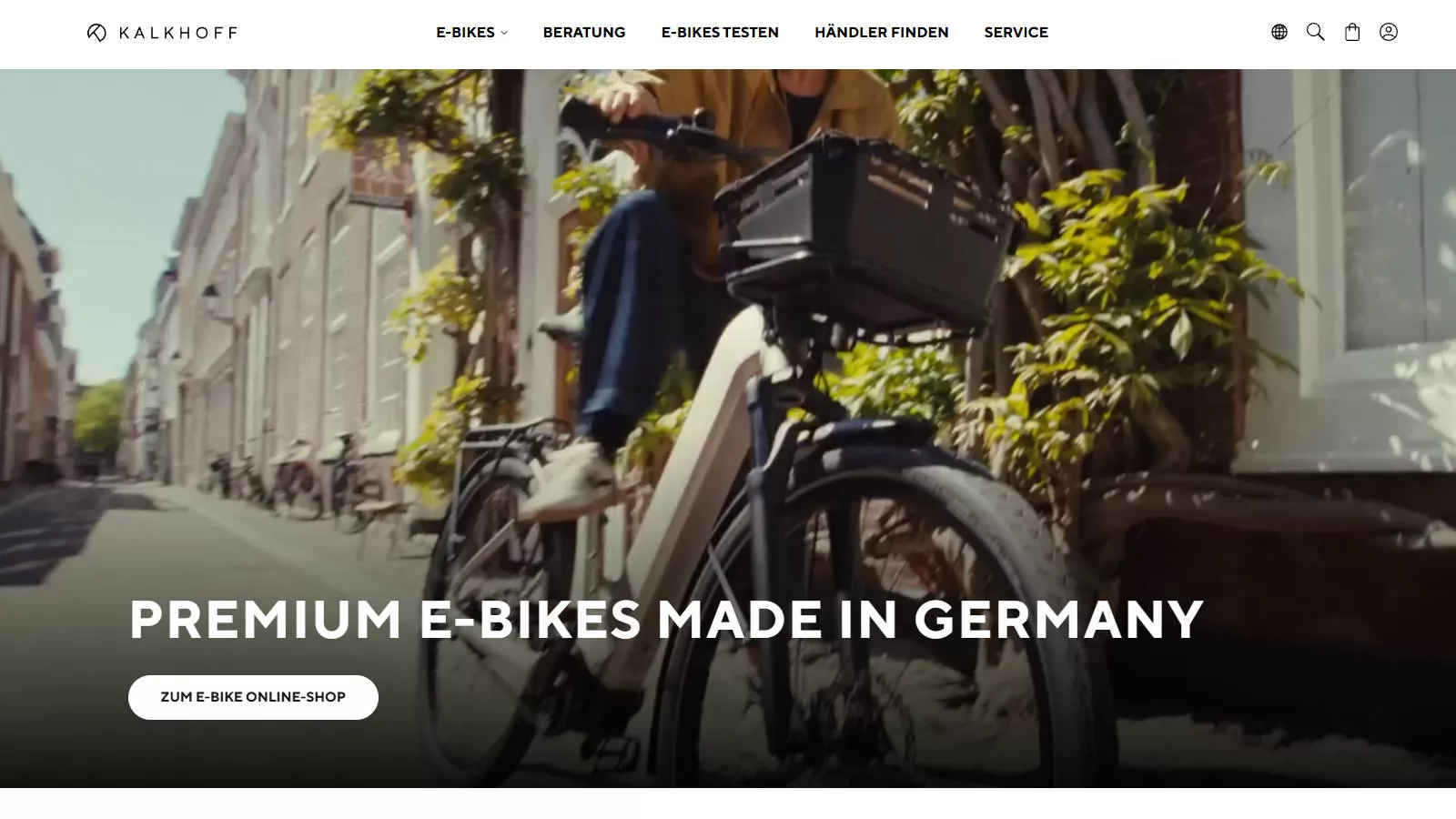
Company Profile: Kalkhoff is a German bicycle company that has been part of the cycling industry since 1919. Today, it positions itself as one of the leading European manufacturers of premium e-bikes. The company develops and produces its e-bikes in Germany and maintains its own testing capabilities, with products aimed mainly at everyday mobility, trekking, and versatile riding.
Headquarters: Cloppenburg, Germany.
Key Strengths:
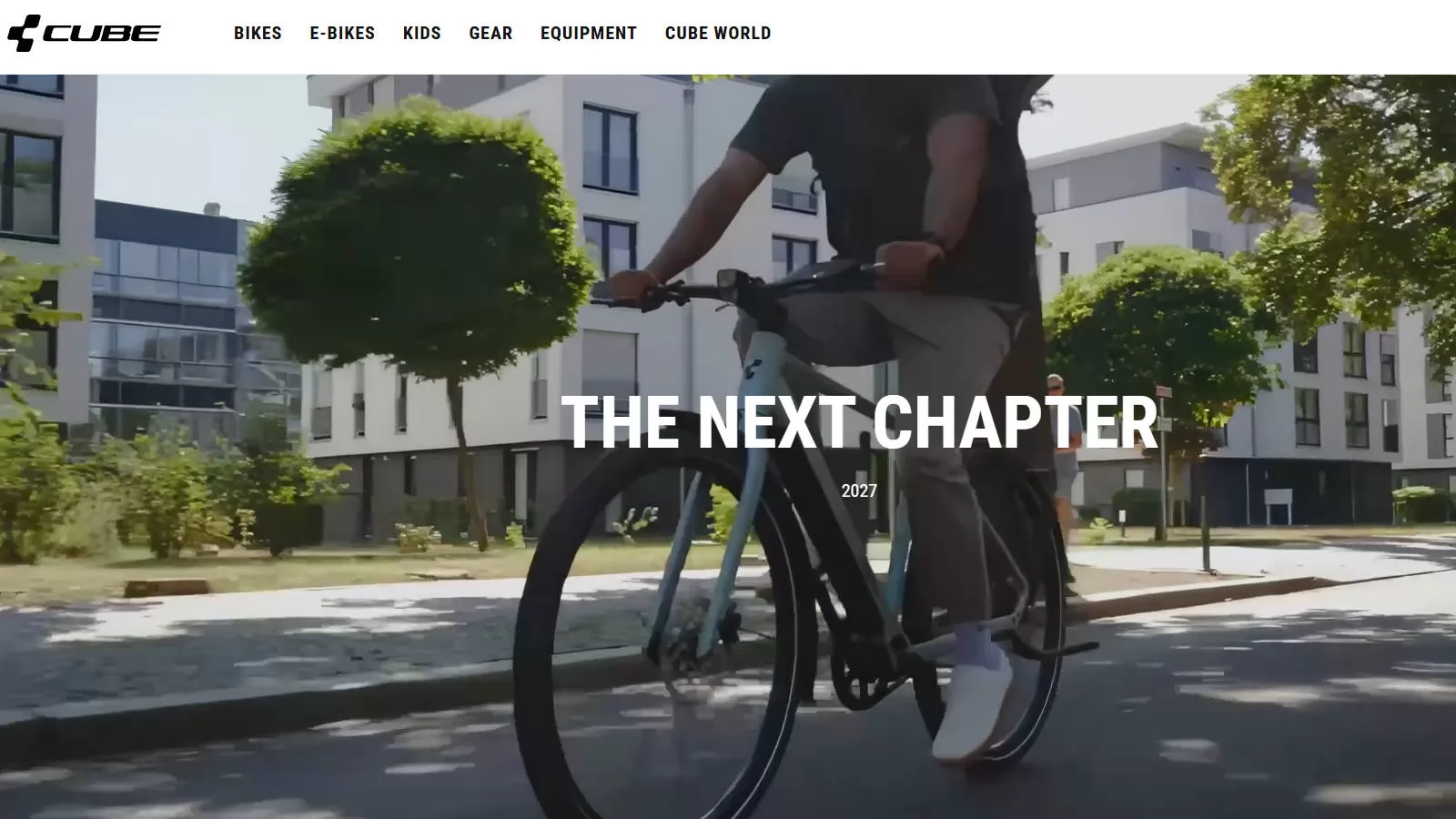
Company Profile: CUBE Bikes was established in Waldershof, Bavaria, in 1993 and has developed one of the broader bicycle and e-bike portfolios among European brands. Its range covers electric mountain, trekking, urban, gravel, and transport-oriented models. CUBE also maintains dedicated development, testing, production, and logistics infrastructure in Germany, supporting a wide international product range.
Headquarters: Waldershof, Germany.
Key Strengths:
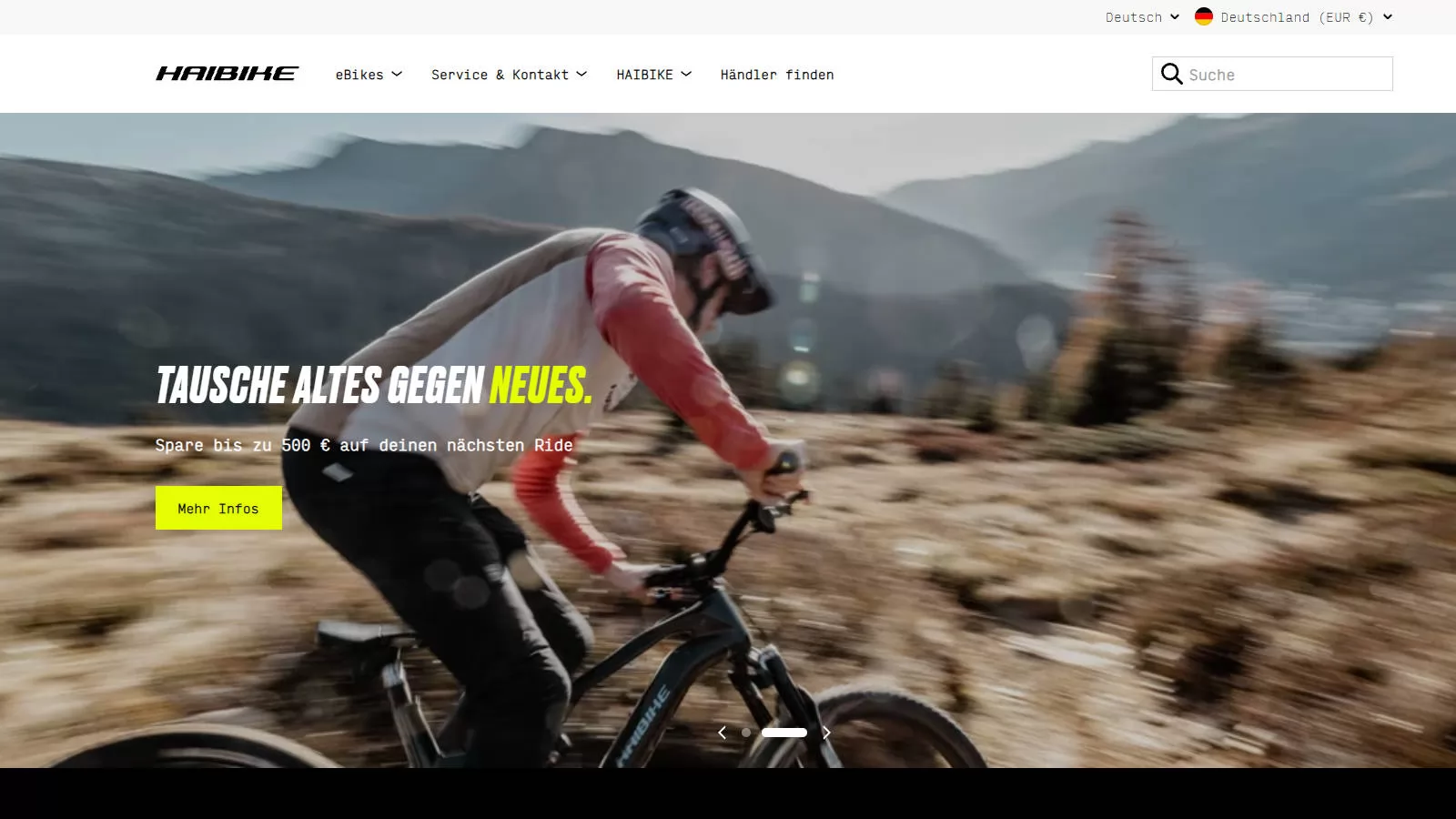
Company Profile: HAIBIKE is a German e-bike specialist founded in Schweinfurt in 1995. The company centers its product strategy on ePerformance, with electric mountain bikes forming a major part of its range. HAIBIKE’s official history emphasizes German development and its early role in the development of sporty electric mountain bikes.
Headquarters: Schweinfurt, Germany.
Key Strengths:
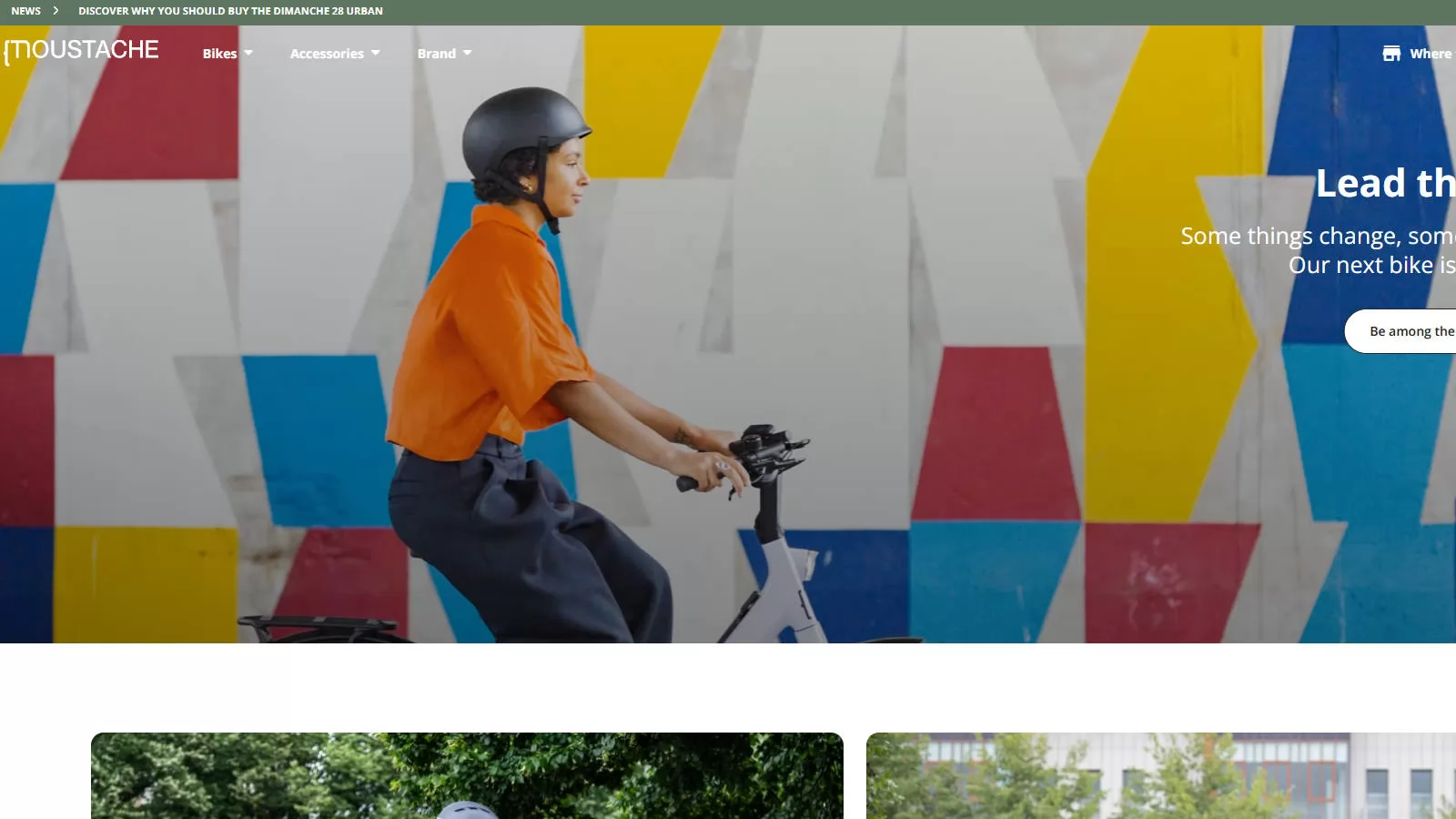
Company Profile: Moustache Bikes is a French company dedicated to electric bicycles. Based in the Vosges region, it states that its bikes are designed, developed, tested, and assembled in-house, while selected components are sourced from specialized partners. Its dedicated e-bike focus covers urban, touring, mountain, road, and cargo-oriented applications.
Headquarters: Thaon-les-Vosges, France.
Key Strengths:
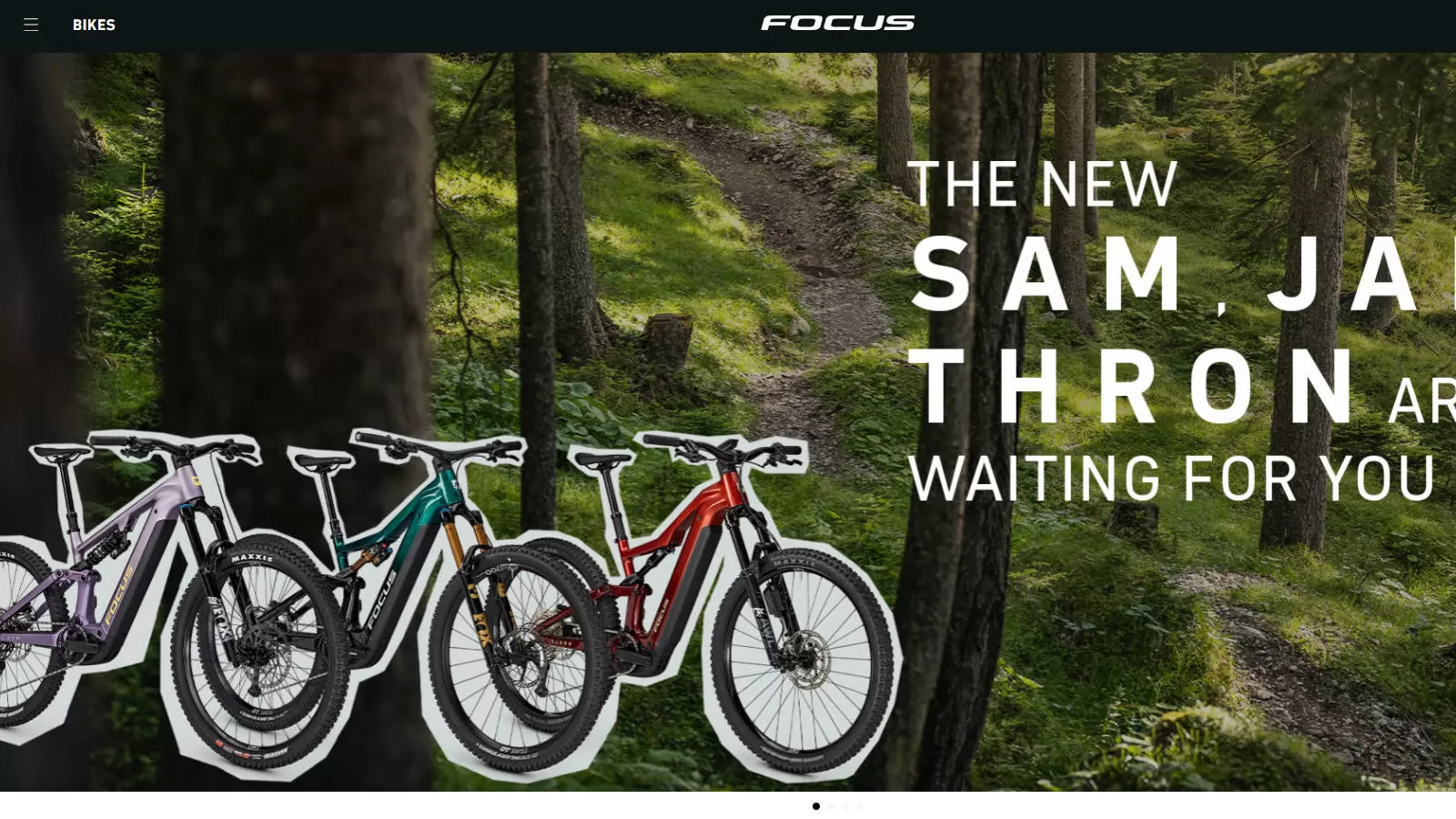
Company Profile: FOCUS Bikes is a German bicycle brand that develops its bikes in Stuttgart and assembles them in Emstek. Its official materials emphasize extensive prototype testing and performance-oriented product development. The e-bike range includes electric mountain bikes as well as e-allround, road, gravel, and other sport-focused models.
Headquarters: Emstek, Germany.
Key Strengths:
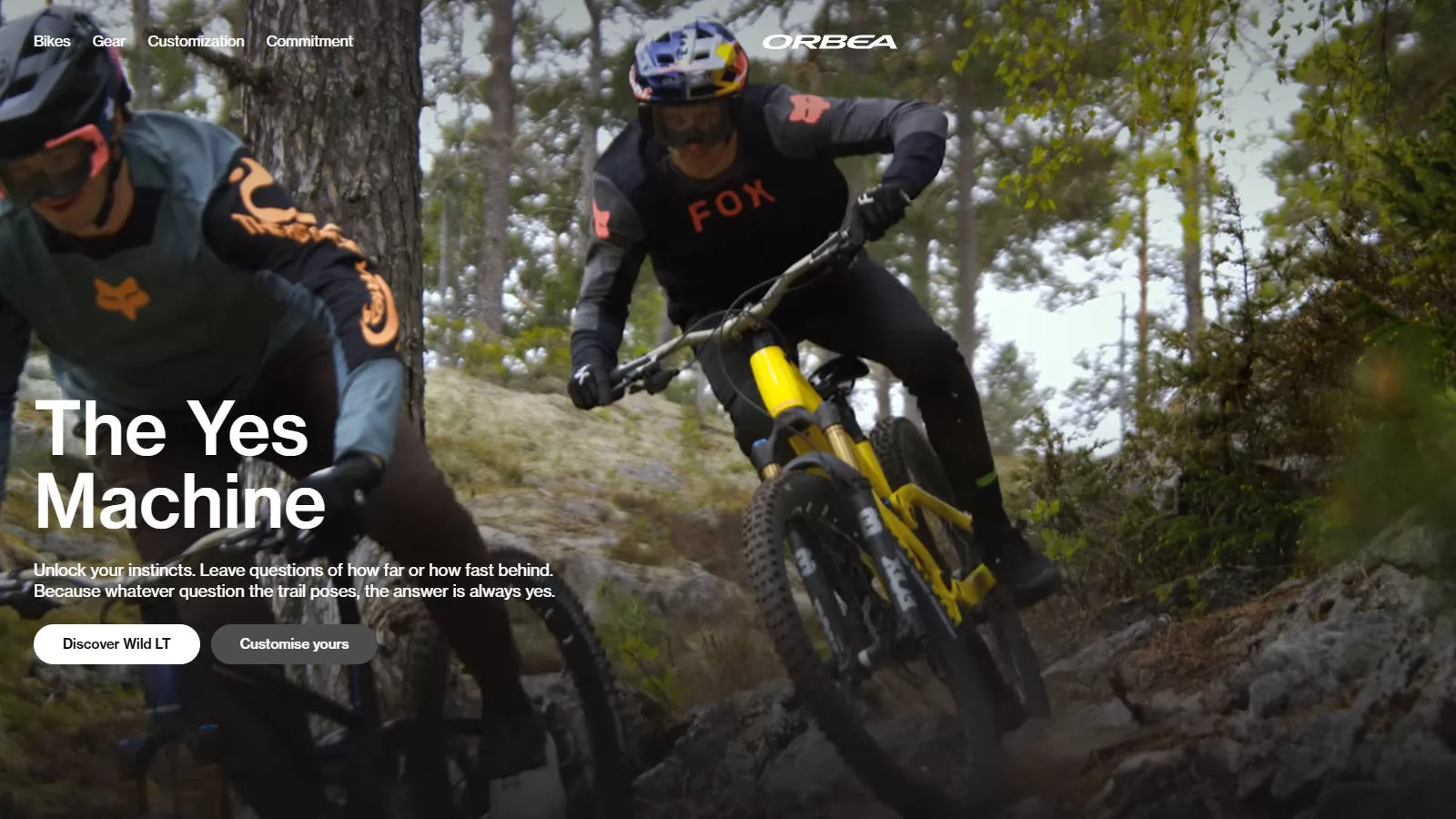
Company Profile: Orbea is a Spanish bicycle company headquartered in Mallabia in the Basque Country and operates as an employee-owned cooperative. Its activities include product development and manufacturing, while its portfolio spans road, mountain, urban, and electric bicycles. Orbea’s e-bike offering includes platforms such as the Rise, which is designed around lightweight electric mountain-bike performance.
Headquarters: Mallabia, Spain.
Key Strengths:
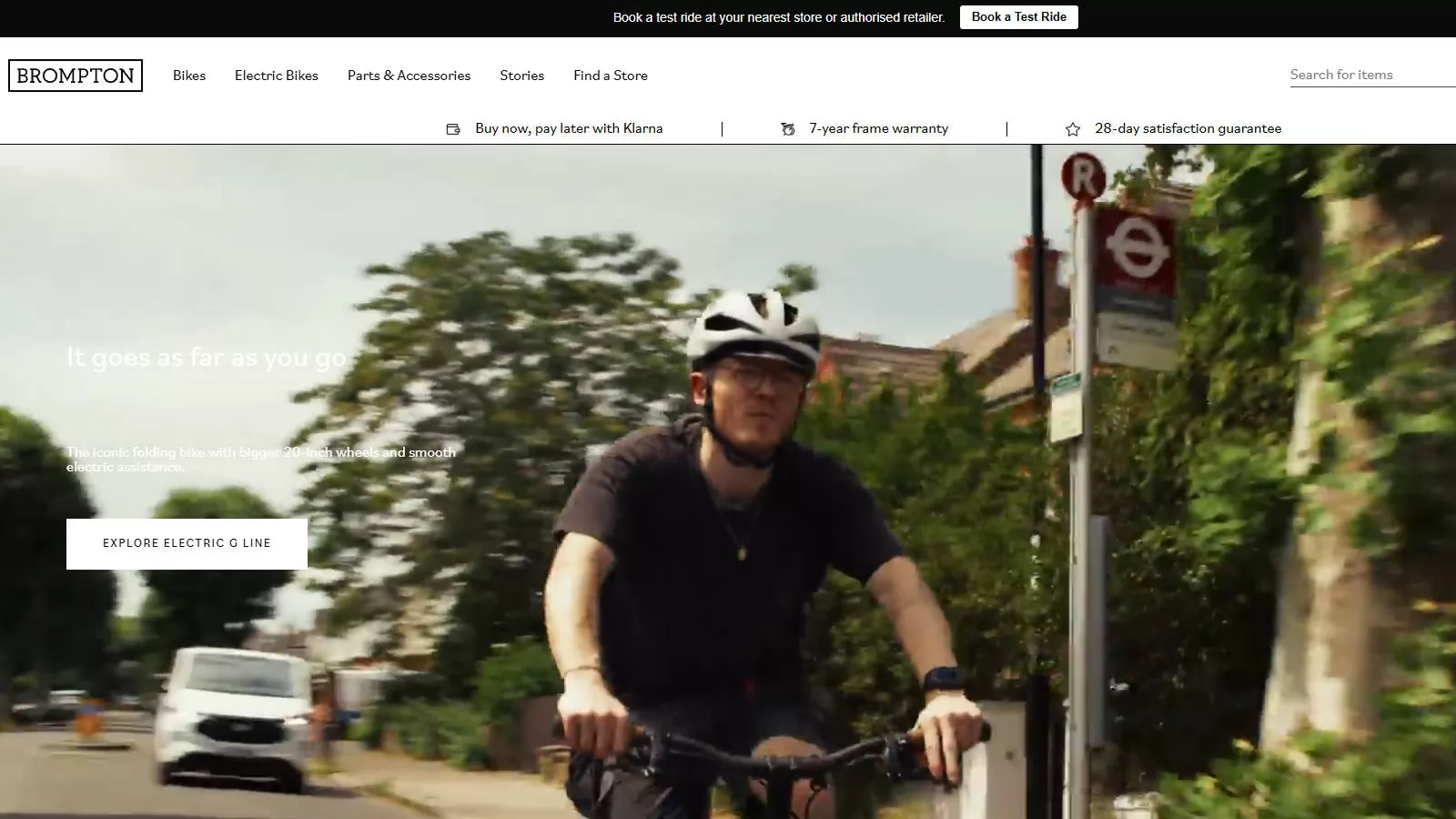
Company Profile: Brompton is a British bicycle manufacturer best known for its folding-bike platform. Its London factory manufactures Brompton bicycles, while the product range now includes electric folding models that retain the compact format associated with the brand. This specialization makes Brompton different from full-range e-bike manufacturers and particularly relevant to urban mobility applications.
Headquarters: London, United Kingdom.
Key Strengths:
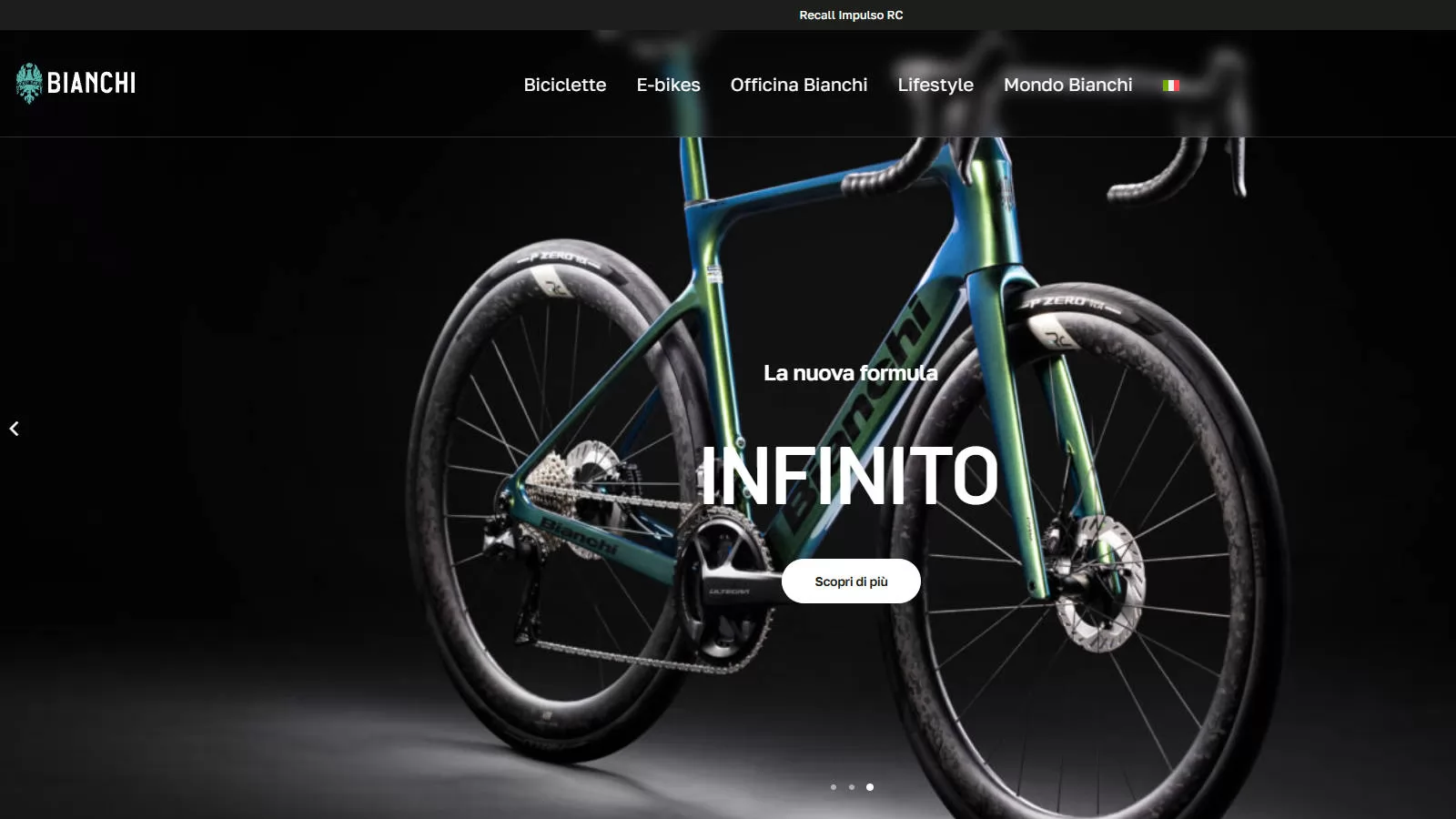
Company Profile: Bianchi is an Italian bicycle company with a long history in road and performance cycling. Its current portfolio includes electric bicycles for mountain, urban, and other riding applications. The company maintains its headquarters and production facility in Treviglio, while its E-Omnia platform extends its product development into several electric-bike segments.
Headquarters: Treviglio, Italy.
Key Strengths:
For importers, distributors, retailers, and private-label brands, choosing an e-bike manufacturer requires more than comparing frame designs or brand reputation. The right supplier should match the buyer’s product requirements, target market, order model, and long-term support needs.
Start by identifying the e-bike categories required for the target market. A supplier focused on electric mountain bikes may not be the best match for a distributor targeting urban commuters, while a folding-bike specialist may not suit a cargo-bike project.
Common categories include:
A manufacturer with multiple categories can also make it easier for distributors to develop several product lines through one supplier relationship.
Manufacturing capability should be assessed together with product-development capability. Buyers should determine whether the supplier handles design, prototyping, testing, frame production, assembly, or final quality inspection internally.
This becomes particularly important for custom projects. A supplier that can work from a product concept or specification may be better suited to businesses that need changes to frame geometry, battery integration, components, appearance, or riding characteristics.
Quality systems should be evaluated throughout the production process rather than only by looking at the final product.
For European-market projects, buyers should also confirm the applicable requirements for the complete e-bike system, battery, charger, electrical components, labeling, and technical documentation. Certification claims should always be checked against the specific product and intended market instead of assuming that a supplier’s general certification statement covers every model.
OEM and ODM capabilities are especially relevant for businesses that want to sell e-bikes under their own brand.
Potential customization areas can include:
A capable OEM/ODM supplier should also have a defined process from requirements analysis through design, prototype development, sample approval, mass production, and delivery.
A manufacturer’s stated capacity is only useful when it is supported by stable production planning and component supply.
Buyers should evaluate how the supplier manages key components such as frames, batteries, motors, displays, brakes, tires, and drivetrains. Production scheduling, quality consistency, inventory management, and communication should also be considered when evaluating a long-term supplier.
An e-bike combines mechanical and electrical systems, so after-sales support should be part of the purchasing decision.
For B2B buyers, useful questions include whether the manufacturer provides replacement parts, technical documentation, warranty support, troubleshooting assistance, and a clear process for handling quality issues after shipment.
Buying an established European e-bike brand and working directly with an OEM/ODM manufacturer are two different sourcing approaches.
An established European brand may be the better option when the buyer wants:
This model is often suitable for retailers and distributors that want to sell products under an existing brand rather than develop their own.
An OEM/ODM manufacturer can be more suitable when the buyer wants greater control over the final product and brand.
This model can support:
Instead of selecting an existing branded bicycle, the buyer works with the manufacturer to develop or customize the product around its own commercial requirements.
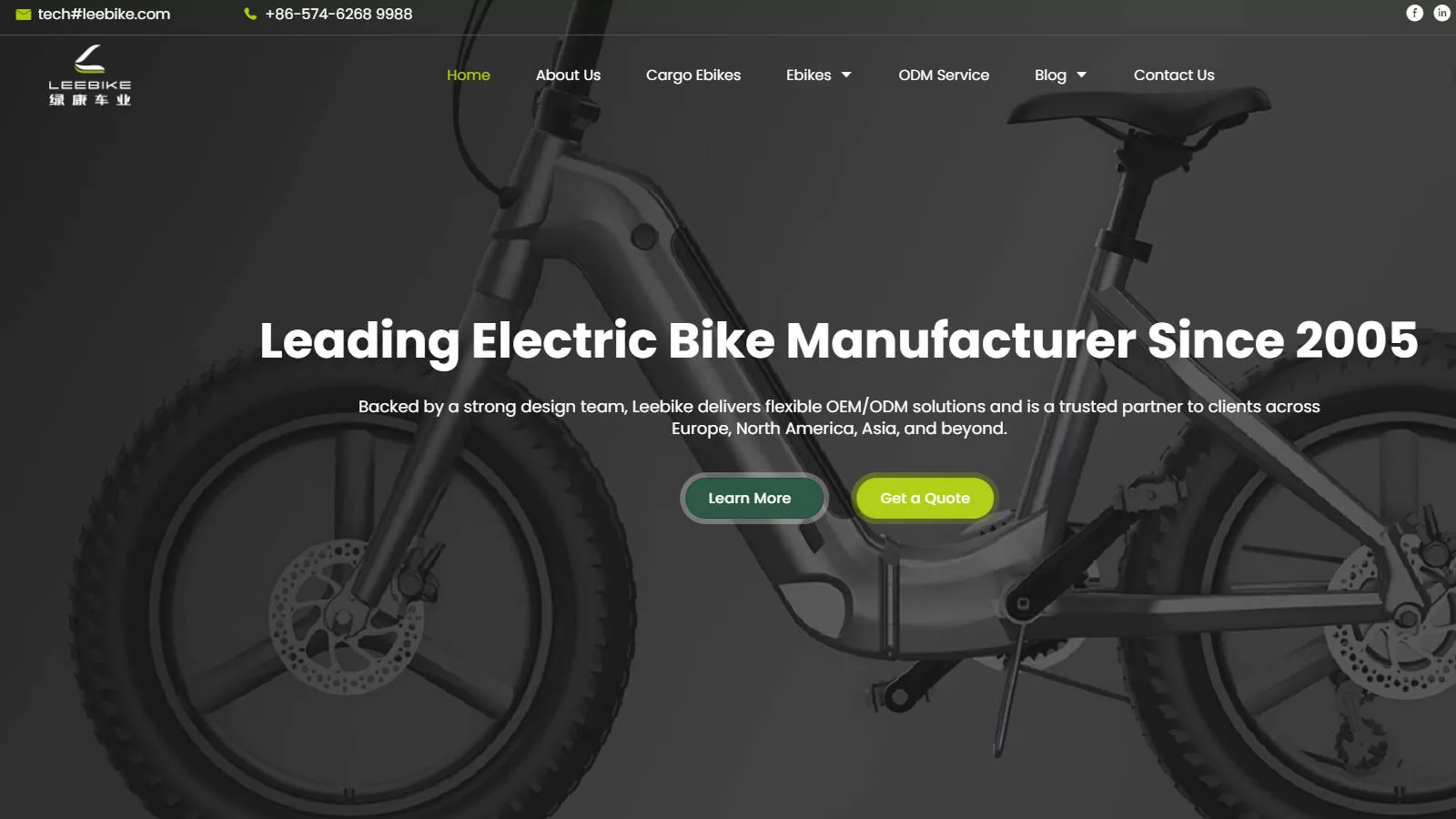
For businesses that want to build their own e-bike range rather than distribute an established European brand, LEEBIKE offers an OEM/ODM manufacturing route.
Ningbo Lvkang Vehicle Co., Ltd., operating under the LEEBIKE name, states that it has specialized in designing and manufacturing electric bikes since 2005 and serves customers in international markets. Its current product portfolio includes electric mountain bikes, city e-bikes, fat-tire e-bikes, cargo e-bikes, and folding bikes.
Rather than limiting its service to finished standard models, LEEBIKE describes an end-to-end customization process covering demand analysis, product design and quotation, sample development and testing, mass production, packaging and logistics, and after-sales support. Its OEM/ODM offering also includes in-house aluminum frame production and an eco-friendly painting line for product customization.
For buyers that need a customized product, LEEBIKE states that its ODM service includes concept and design, prototyping, mass production, and supply-chain management. The company also states that it operates two assembly lines with a capacity of 300 units per day and maintains quality and compliance processes covering standards and certifications such as ISO 9001, CE, EN, and BSCI.
This makes LEEBIKE more relevant to businesses looking for a manufacturing partner than to buyers simply looking for an established European retail brand. Importers, distributors, and private-label businesses can review the LEEBIKE electric bike products to compare available categories and configurations, while the LEEBIKE OEM/ODM service provides more detail on customization and production.
For buyers evaluating the company’s manufacturing background, the LEEBIKE company profile explains its production experience, facilities, and development capabilities.
The European e-bike industry includes companies with very different product strategies. Riese & Müller and Gazelle are strongly associated with premium and everyday mobility, Kalkhoff emphasizes German-made e-bikes, HAIBIKE and FOCUS focus heavily on performance, while Moustache, Orbea, Brompton, CUBE, and Bianchi each occupy distinct positions across urban, touring, mountain, folding, and performance segments.
For businesses, the right supplier depends on the intended product, market, customization requirements, production volume, and level of support needed. An established European brand can be appropriate when brand recognition and ready-to-market products are the priority. For companies developing their own e-bike range, an OEM/ODM manufacturer such as LEEBIKE may offer greater flexibility from product development through production.
*We respect your confidentiality and all information are protected.


Italy customers came to our factory, and we know each other when we met in 2018 Shanghai bicycle fair this year. We usually contact each other.

The naming method of the model of Ningbo Lvkang Vehicle Co., Ltd.